What is the national tree of Palestine?
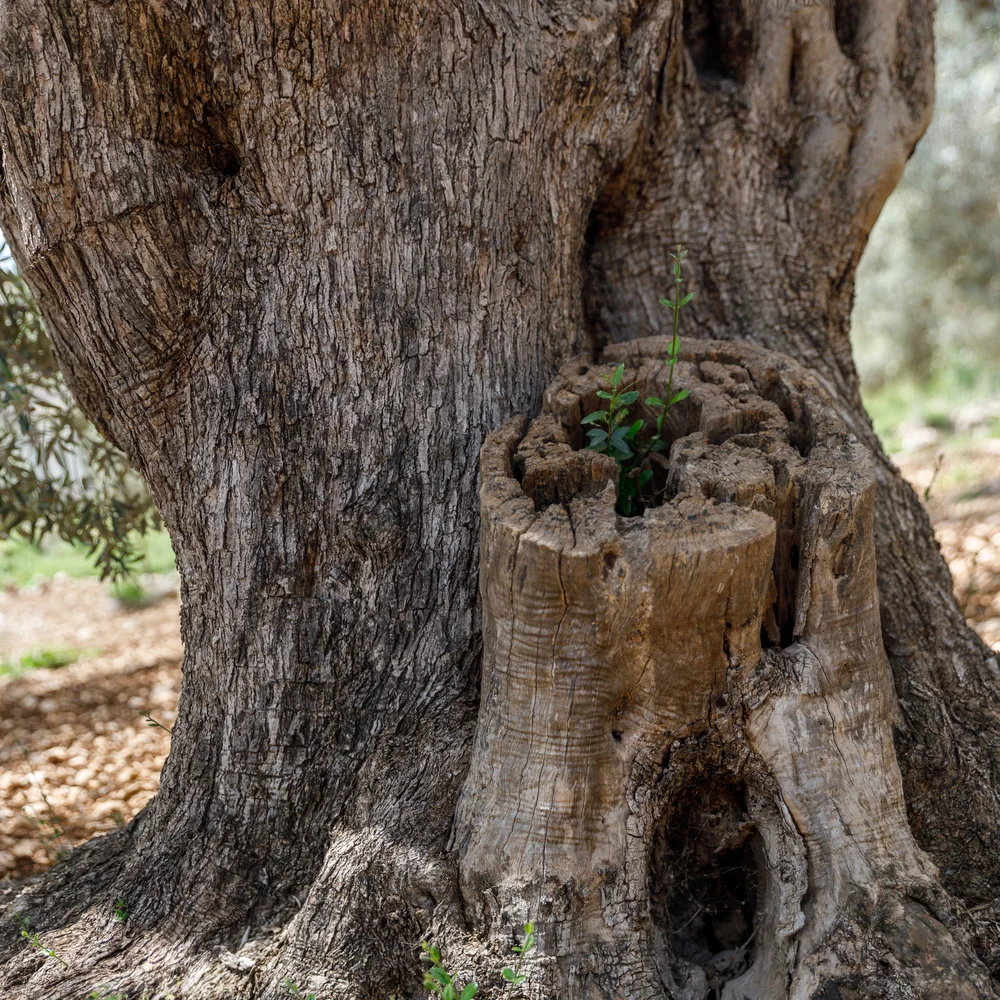
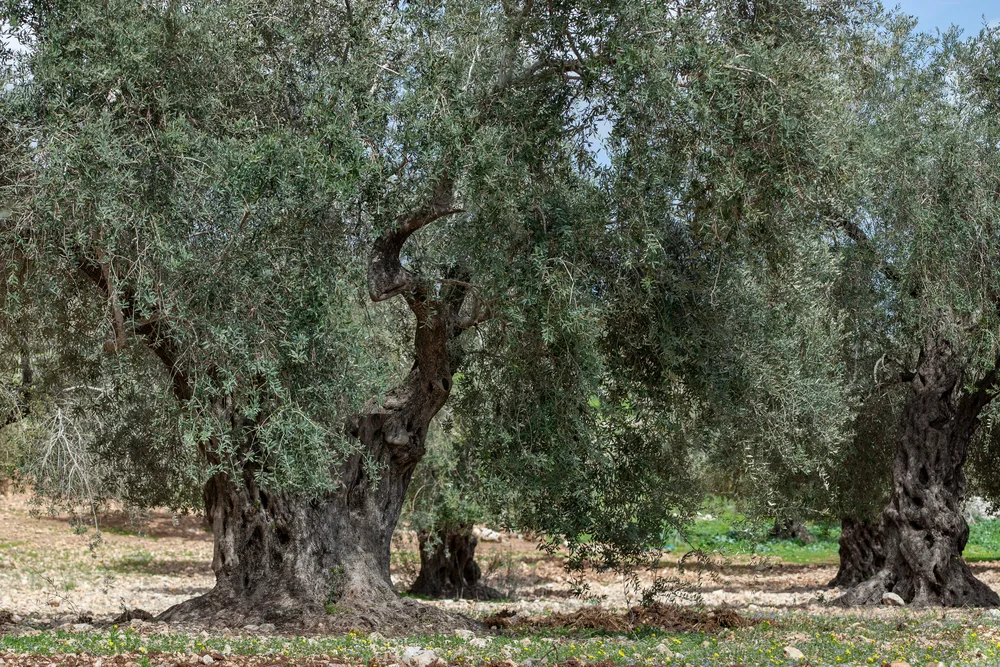
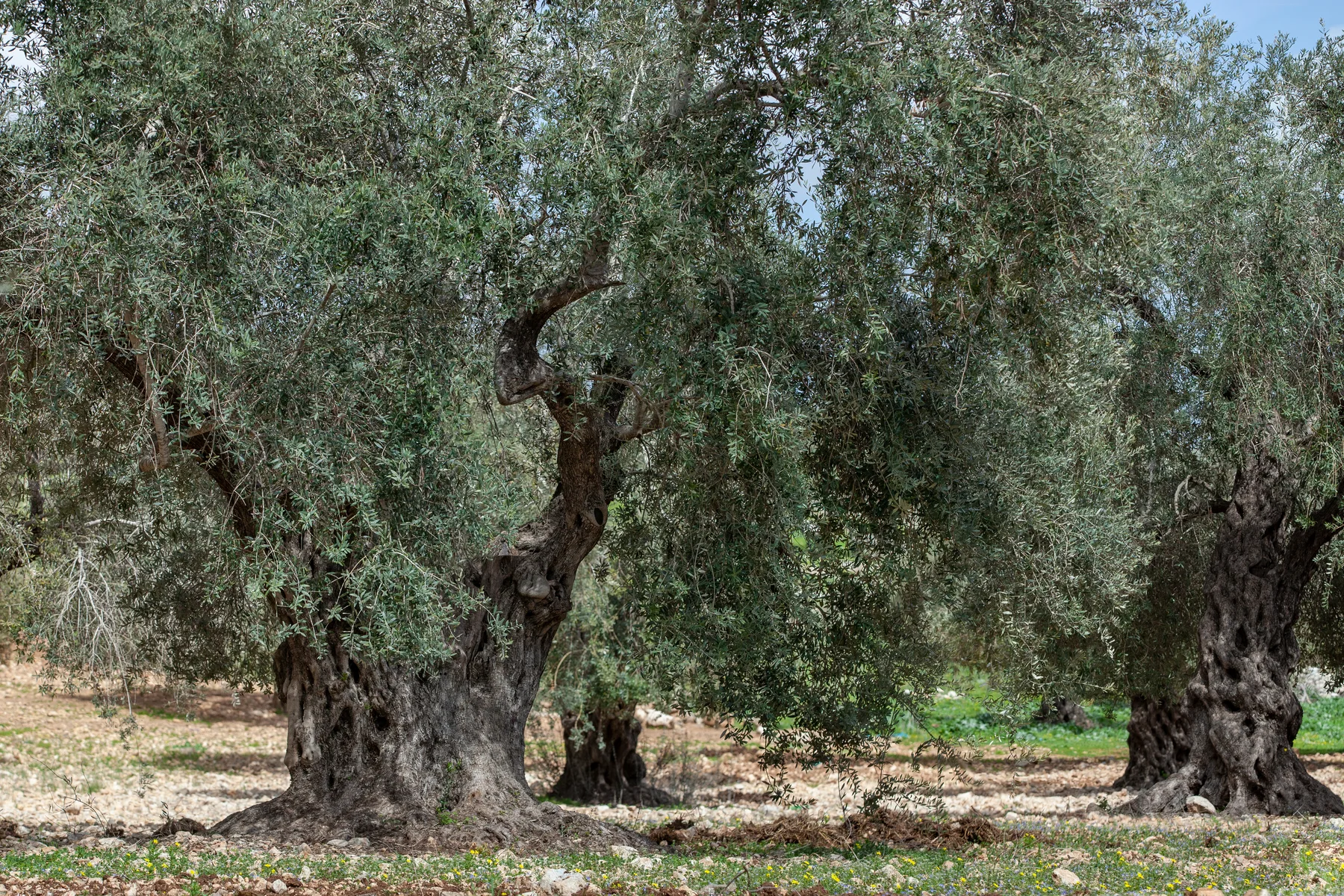
The olive — الزيتون, Olea europaea. Every Palestinian will tell you so, and every Palestinian is right. What is missing is the paperwork: Palestine designated a national flower by cabinet decision in 2016 and has never, as far as this record can find, designated a national tree at all.
Published · 6 registers · 11 sources cited
01The short answer
The olive is Palestine's national tree. It is the tree on the currency of the imagination: in the poetry, in the painting, in the family arguments about land, in the annual October return of everybody who can get to the grove. Nothing else is close.
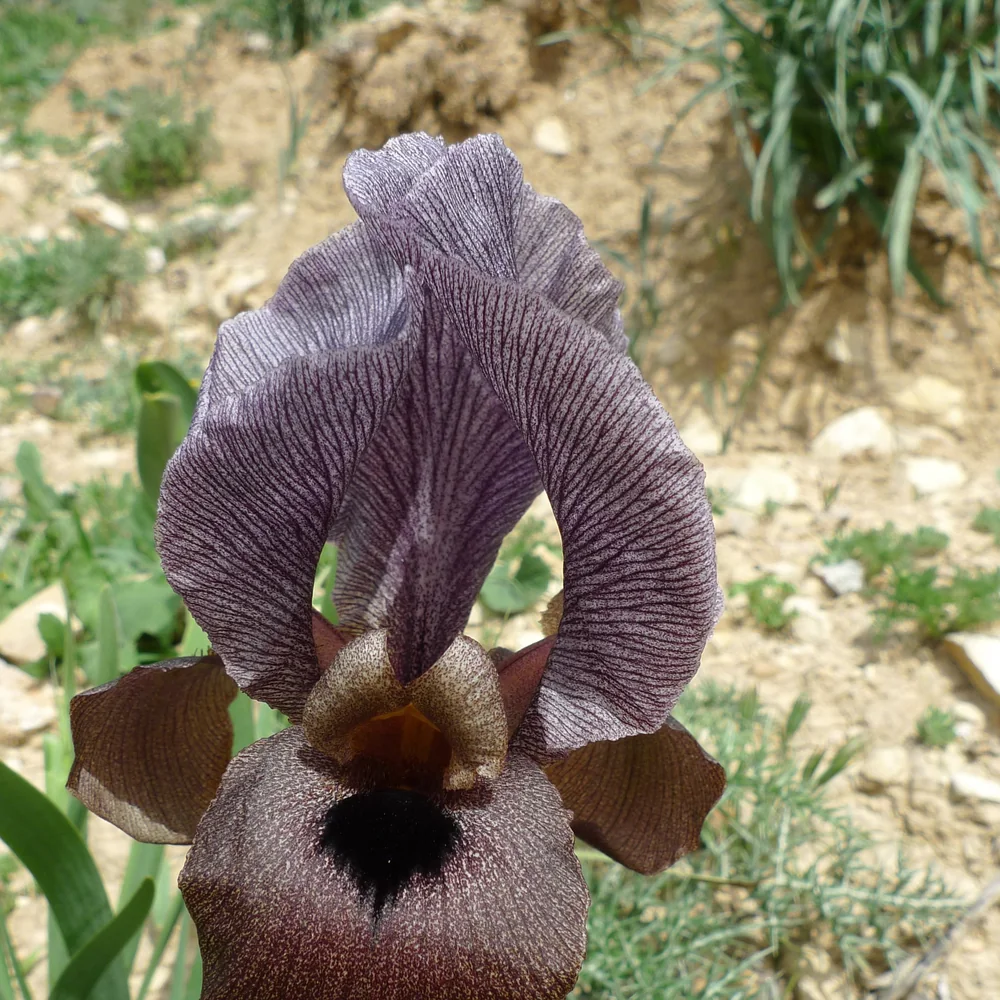
It has no decree behind it, and the flower does. In 2016 the Palestinian Council of Ministers adopted the Faqqua iris, سوسن فقوعة, as the national flower, on the recommendation of the Environment Quality Authority, and adopted the Palestine sunbird, التمير الفلسطيني, as the national bird in the same period. A tree was not part of it.
That gap is worth stating precisely rather than papering over. A national flower needed designating because most Palestinians could not have named one. A national tree did not, because the answer was never in doubt. The olive is national in the older sense of the word — by consensus rather than by gazette — which is a stronger claim to the title, not a weaker one.
02Four of the ten founding symbols are plants
Palestinian identity is commonly enumerated through a short list of symbols. The most widely circulated Arabic version of that list runs to ten items, and the composition of it is the finding.
| Symbol | Arabic | A plant? |
|---|---|---|
| The olive tree | شجر الزيتون | Yes |
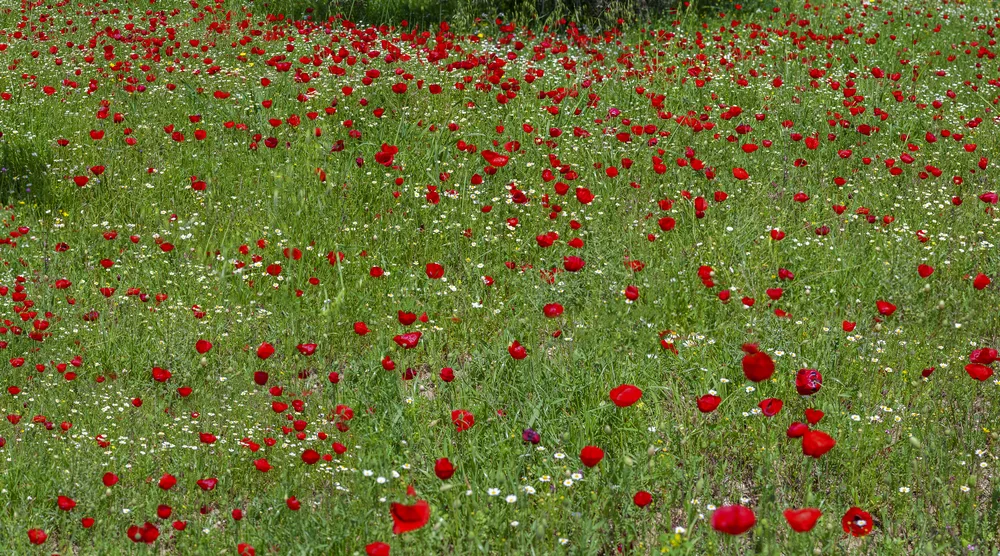
| The anemone | شقائق النعمان | Yes |
| The watermelon | البطيخ الأحمر | Yes |
| Jaffa oranges | برتقال يافا | Yes |
| Al-Aqsa and the Dome of the Rock | الأقصى وقبة الصخرة | No |
| The map and the flag | الخارطة والعلم | No |
| The keffiyeh | الكوفية | No |
| Handala | حنظلة | No |
| The key of return | مفتاح العودة | No |
| The stones | الحجارة | No |
Four of the ten are plants. No other category on the list is represented more than once. A people whose national symbols are a mosque, a flag, a garment, a cartoon, a key, a handful of stones — and four plants.
Handala is the fifth, if you are counting carefully. Naji al-Ali named his barefoot child after الحنظل, handhal, the colocynth — a bitter desert gourd that survives on almost nothing, grows back when it is cut and roots deeper than it looks. That is a plant too, doing the work by metaphor rather than by portrait.
And it is a watermelon. The colocynth is Citrullus colocynthis; the watermelon is Citrullus lanatus. Same genus, same family, one sweet and one so bitter it is inedible (GBIF). Two separate entries on that list of ten are the same plant genus, arrived at independently, one for being red white green and black on a plate and the other for being impossible to kill.
03What zaytoun means
الزيتون — zaytun — is the crop, the grove and the fruit together. A single tree is زيتونة, zaytuna. The oil is زيت, zeit. Three words off one root, and the shortness of the distance between them is the point: the tree, the harvest and the thing you cook with are barely separable in the language.
Zaytuna is also a girl's name, and Zaytun a boy's. Palestinians name children after this tree the way other people name them after saints. The word sits in place names as well — جبل الزيتون, the Mount of Olives in Jerusalem, is the best known, and the map is full of others.
And the olive is one of the few plants the Qur'an swears by. Surah at-Tin opens وَالتِّينِ وَالزَّيْتُونِ — by the fig and the olive (Qur'an 95:1). The Light Verse describes a lamp lit from شَجَرَةٍ مُّبَارَكَةٍ زَيْتُونَةٍ, a blessed tree, an olive, whose oil would almost glow untouched by fire (Qur'an 24:35).
Tawfiq Canaan collected two honorific names for the olive from Palestinian villagers in 1928: الشجرة المباركة, the blessed tree, and شجرة النور, the tree of light. Both of them sit inside that single verse (Record 03, Register 04).
04The oldest olive tree in Palestine
It stands in al-Walaja, a village about five kilometres west of Bethlehem, and it is called البدوي, al-Badawi. It is roughly twelve metres tall with a canopy covering something like 250 square metres, and it is still in fruit.
Its age is contested, and the range is enormous. The Palestinian Ministry of Agriculture has put it between 4,000 and 5,000 years old. Other assessments, by Italian and Japanese teams, have given figures from about 3,000 to 5,500. Nobody has produced a number that settles it (Al-Monitor, 2018).
The tree has a keeper. The Ministry of Agriculture appointed Salah Abu Ali as its custodian in 2009, and his family has looked after it since. He calls it the mother of all olive trees, and describes it as part of Palestinian identity and of the resistance to the occupation. That is his framing, and this record reports it as his.
05Why a tree and not a monument
An olive will not fruit properly for a decade and will not reach full yield for far longer, and it then keeps going for centuries. Nobody plants an olive for themselves. You plant it for people you will not meet (Record 03).
Which makes the tree evidence. A grove standing on a hillside is proof that a family was there long enough to plant it and stayed long enough to keep it. That is not a poetic reading laid over the tree afterwards. It is the reason olives get counted, mapped, inherited and fought over, and it is the reason they get destroyed.
A monument records that somebody was here. An olive grove records that somebody intended to remain.
A national symbol that takes ten years to establish and can be removed in an afternoon is a particular kind of symbol to have. How many have been destroyed, by whom, and why the totals still do not agree, is counted separately and at length.
06What was actually designated, and when
| Symbol | What it is | Designated |
|---|---|---|
| National flower | سوسن فقوعة · Iris haynei | 2016, Council of Ministers |
| National bird | التمير الفلسطيني · Palestine sunbird | 2016 |
| National tree | الزيتون · Olea europaea | No designation found |
This record searched for a Palestinian decree, cabinet decision or ministerial order naming a national tree, in Arabic and in English, and found none. That is a statement about what was searched and not found. It is not proof that no such instrument exists, and if a reader can point to one, this page will be corrected and the correction logged.
The asymmetry is the interesting part either way. Palestine had to be told what its national flower was. The 2016 decision picked a rare iris growing on about twenty square kilometres of hillside near Jenin, and most Palestinians had never heard of it. Nobody has ever had to be told about the olive.
Sources
- Qur'an 95:1, Surah at-Tin — وَالتِّينِ وَالزَّيْتُونِ; Uthmani text read at source via the Quran.com API
- Qur'an 24:35, the Light Verse — شَجَرَةٍ مُّبَارَكَةٍ زَيْتُونَةٍ and يَكَادُ زَيْتُهَا يُضِيءُ; the two honorific names Canaan recorded both appear here. Read at source
- T. Canaan, “Plant-lore in Palestinian Superstition,” JPOS 8 (1928): 160 — الشجرة المباركة and شجرة النور, collected from villagers, and the oaths sworn on the tree. Palestinian-authored — see the Jerusalem Circle
- “Palestine's oldest olive tree searches for its birth date,” Al-Monitor, November 2018 — al-Badawi at al-Walaja; the Ministry of Agriculture's 4,000–5,000 year estimate, the competing Italian and Japanese figures, the dimensions, and Salah Abu Ali's appointment as custodian in 2009
- رموز فلسطين الوطنية — the widely circulated Arabic enumeration of ten constitutive symbols counted in Register 02, and the record of the 2016 adoption of the sunbird and the Faqqua iris. Cited as evidence of how the symbols are commonly listed, not as an official register
- Handala — for the etymology only: Naji al-Ali's figure takes its name from حنظل, the colocynth. The botanical half of Register 02 — that Citrullus colocynthis and Citrullus lanatus share a genus — was checked directly against GBIF
- Olea europaea — Wikidata Q37083 — entity identifiers; cross-checked against GBIF and POWO
- Plants of the World Online — Olea europaea L. — accepted name, family Oleaceae. Royal Botanic Gardens, Kew
- The tree itself — its varieties, its terraces, its harvest and the honorific names in full: Record 03, الزيتون.
- How many olive trees have been destroyed, and why the counts do not agree: the uprooting count.
- The flower that was designated, and the one Palestinians actually name: What is the flower of Palestine?