What this record has corrected.
A dated log of what this record got wrong, when it was found, and what was done about it. Newest first. Nothing is removed from this page. Each entry has its own link, so a correction can be cited on its own.
Updated · 9 entries · append-only
00Why this page exists
This record makes strong claims about who named what, who photographed what, and who is prosecuted for gathering what. Claims like that are only worth anything if they can be checked, and checking requires knowing when the record changed its mind.
Corrections here are published, not made quietly. When a page is wrong, the page is fixed and the error is written down on this page with a date. Where the error changed an argument rather than a detail, the page that carried it says so in its own text as well.
This page is the log of changes. About this record holds the method, the sourcing rules and a standing public list of what has not been verified yet. Those are different things and they are kept in different places.
093 Sep 2026
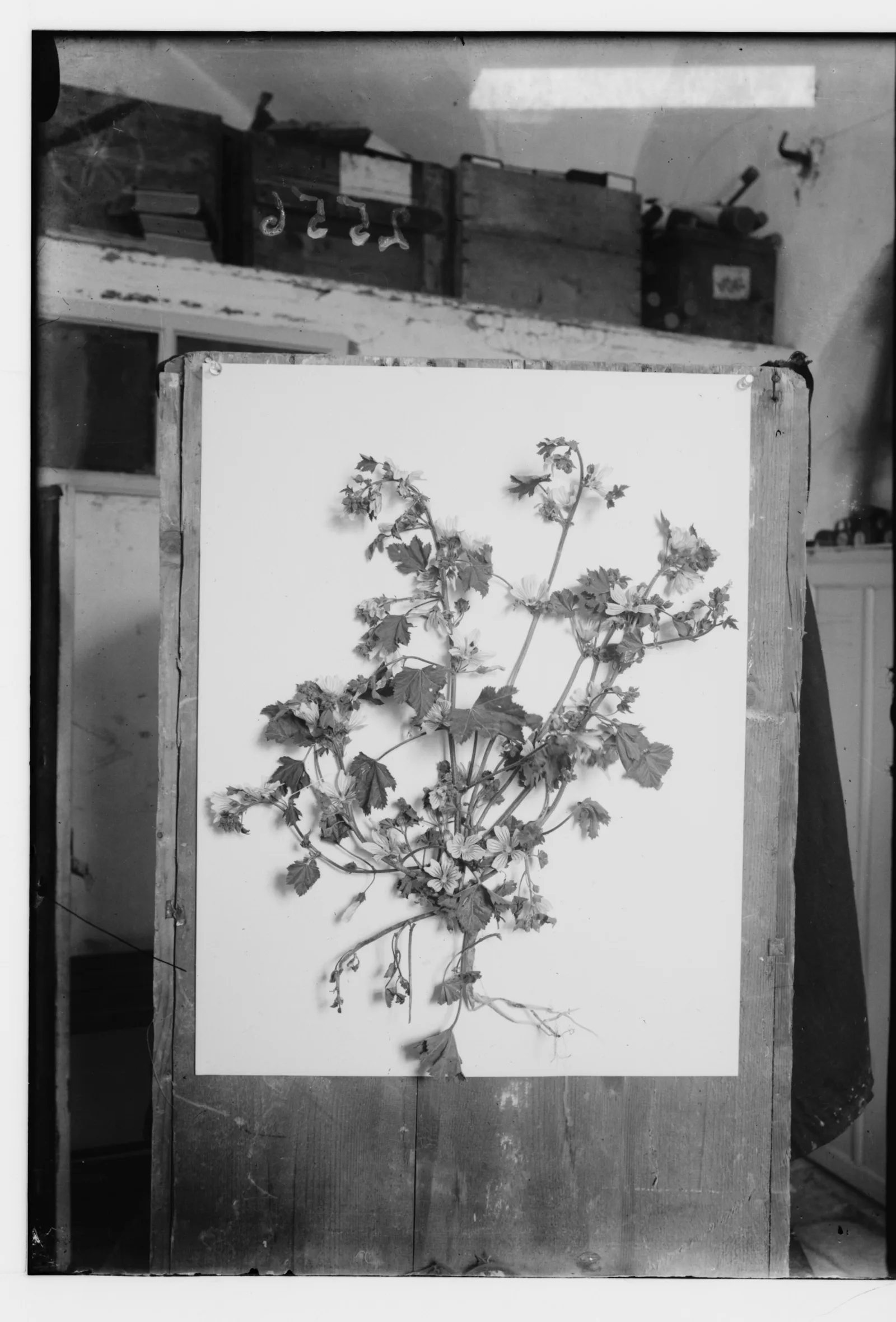
The structured data on Wild Flowers of Palestine told machines that the American Colony Photo Department was a species of parasitic wasp.
That page carries a JSON-LD block naming its subject and linking that subject to entity databases, so an automated reader can tell which American Colony is meant. The Wikidata identifier in it was Q2843865. Q2843865 is Cryptoxilos convergens, an insect. The correct identifiers are Q113570581, the Matson Photo Service, and Q2889452, the American Colony itself. The Wikipedia link beside it was also pointing at a redirect rather than the article.
Nothing a human reader could see was wrong. The page's prose, captions and sources were correct throughout. The error lived only in the machine-readable layer, which is exactly why it survived four review passes: it was never rendered, so nobody read it.
Corrected on 3 September 2026, and a check written so it cannot recur silently: every Wikidata identifier on this site is now resolved against the Wikidata API and its returned label compared against the subject it is attached to, rather than trusted because it looks like a Q-number. The whole site was re-checked at the same time — 37 identifier references across 18 distinct entities. This was the only wrong one.
0831 Aug 2026
A page published this morning left Gaza out of the count. It was wrong, and it has been rewritten.
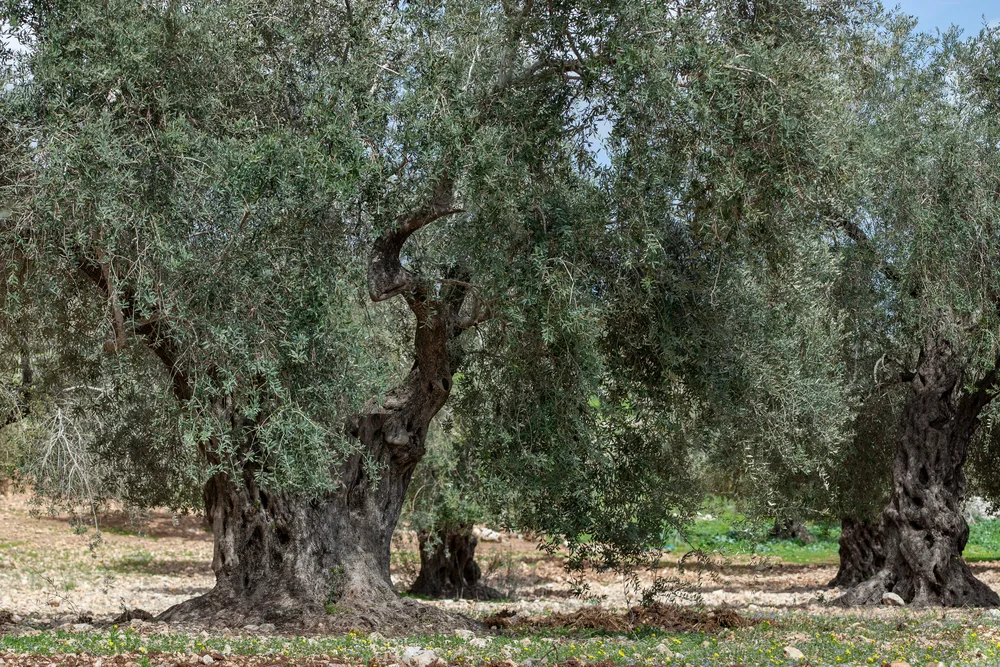
The first version of How many olive trees has Israel destroyed? argued that no one had counted Palestinian olive-tree destruction since 2015. That was false. The destruction of Gaza's olive groves since October 2023 has been measured monthly from satellite by the FAO and the UN Satellite Centre, and counted by the Palestinian Ministry of Agriculture, the Palestinian Olive Council and the Land Research Center. The page missed the largest destruction of Palestinian olive trees on record while claiming to survey the subject.
The cause was a search framed entirely around the West Bank and around "since 1967", which returned West Bank sources and nothing from Gaza. The error was pointed out by the site's editor within the hour.
The page has been rewritten from the top: Gaza now leads it, the FAO and UNOSAT figure of 90 per cent of Gaza's olive orchards damaged is its central evidence, and a new register sets out the unreconciled disagreement between two Palestinian institutional counts — the Olive Council's nearly one million of 1.1 million trees, and the Ministry of Agriculture's 2.29 million. Both are reported; neither is chosen.
0731 Aug 2026
This record now uses two photographs it did not take, and a stated policy against doing so has been changed rather than dropped.
From 4 August, What is the flower of Palestine? carried a note saying the site had no photograph of the Faqqua iris and that the gap was "stated rather than filled with someone else's picture." On 31 August the species record سوسن فقوعة · Record 10 was published using two Creative Commons photographs by Alastair Rae, credited to him on the page and in its sources under the CC BY-SA 2.0 licence.
The reason is that the alternative was to publish the national flower of Palestine with no image of it at all. The photographic archive this site draws on was searched first: the American Colony's Wild Flowers of Palestine series never photographed this species, and all 73 frames of the artist's second batch were checked and contain no iris of any kind.
The older note has been rewritten to say what changed and when, rather than deleted. The new record carries a register explaining the decision in full, and states that the borrowed images will be replaced if a photograph taken in Faqqua by a Palestinian photographer reaches this record.
0624 Aug 2026
The 1900 “white sage” plates are not maramia. Caught before publication.
This record's working source notes had matched a plate from the American Colony's Wild Flowers of Palestine series, captioned “White sage (Salvia graveolens Vahl),” to maramia, the sage in Palestinian tea. Checked directly against the Kew and GBIF taxonomic APIs, Salvia graveolens Vahl is a heterotypic synonym of Salvia dominica, a different species. Maramia is Salvia fruticosa Mill.
The mistaken match never reached a published page. The note was corrected, and the finding that came out of checking it, that the survey photographed the wrong sage and never photographed maramia at all, became a register on the maramia page. Several other name matches in the same working notes are inferred rather than checked, and are now flagged as such.
0524 Aug 2026
The plate count for the Wild Flowers of Palestine series was repeated rather than counted. It is now counted.
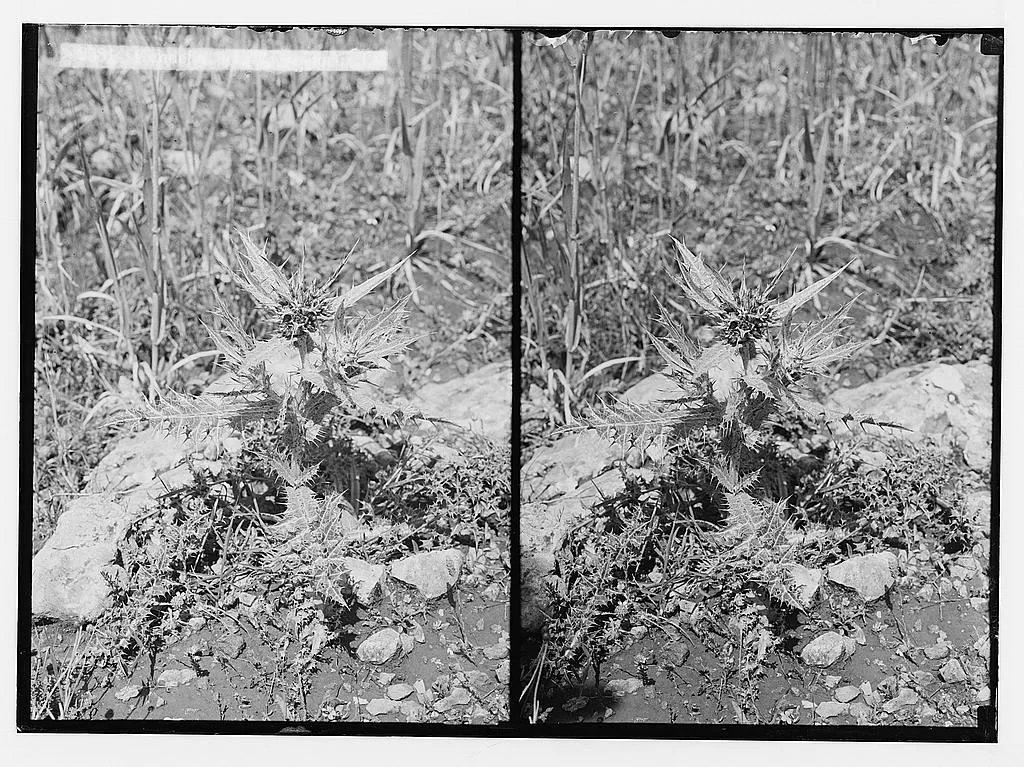
Internal notes for this record described the series as 166 plates, a figure taken from secondary description rather than from a count. On 24 August 2026 this record queried the Wikimedia Commons mirror of the Matson Collection directly and counted 119 distinct plates by catalogue number.
The page built on that count publishes 119, states that it is the count of the Commons mirror on that date, and says plainly that the Library of Congress holds material the mirror does not, so the figure is not offered as a total for the complete series. A number this record cannot reproduce is not published as though it could.
049 Aug 2026
“Widely used” replaced with a number.
Several pages had described wild plants as central to Palestinian cooking without a source that measured it. That is the kind of claim this record asks other people to stop making.
The 2008 survey by Mohammed S. Ali-Shtayeh and colleagues at An-Najah University and the Biodiversity and Environmental Research Center in Til, Nablus, interviewed 190 people across fifteen communities and ranked 100 wild edible species by how many named them. Those counts now carry the claim on maramia, akkoub and khubeza. The survey was read in full at source rather than through a summary.
034 Aug 2026
Tawfiq Canaan was not working alone, and this record had implied he was.
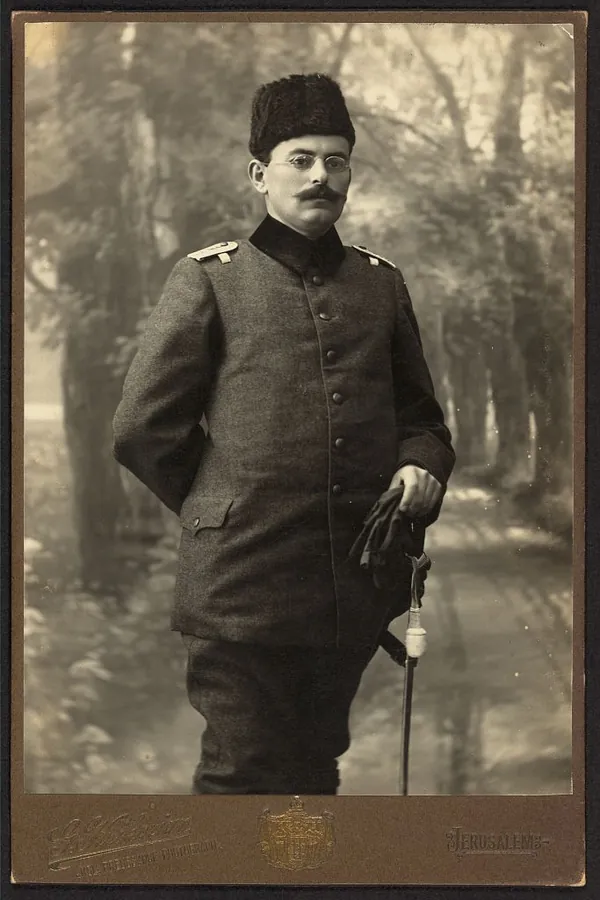
For its first week the site cited the Journal of the Palestine Oriental Society as though Canaan were a lone Palestinian publishing in a foreign journal. That is wrong. The journal carried a group of Palestinian scholars writing about their own country: Stephan Hanna Stephan, born in Beit Jala like Canaan and made a refugee in 1948, who died in Lebanon in 1949; Omar Salih al-Barghouti, a member of the Palestine Oriental Society itself; and Elias Nasrallah Haddad, born in what is now Lebanon and working his whole career in Jerusalem.
The sociologist Salim Tamari named them the Jerusalem Circle. Canaan's page carries the correction openly in a register of its own rather than quietly absorbing it, and the standing rule that came out of it is that every historical source on this site is named.
024 Aug 2026
A “cited but not read” label was left standing after it stopped being true.
This record publishes which sources it has read at source and which it has only cited. Canaan's Mohammedan Saints and Sanctuaries in Palestine was listed as cited-but-not-read after it had in fact been read. The entry was rewritten.
The label matters because the whole sourcing claim on this site rests on it. A hedge that is no longer accurate is as much an error as a fact that is wrong, and it fails in the direction of making the record look less careful than it is, which is the safer direction but still the wrong one.
0130 Jul 2026
A botanical database run by an Israeli state body was cited once, and removed.
During early research this record cited a plant database operated by an Israeli state or state-adjacent authority. The citation was removed and a standing rule written down: this record does not cite Israeli state or state-adjacent databases as authorities on the flora of Palestine.
The reason is not that such databases contain no accurate botany. It is that this record makes an argument about who gets to name and catalogue the plants of this country, and the same authorities administer the protected-plants regime described on Under the Law. Palestinian and independent sources carry the record here.